Vietnamese fruit balls: what they are and how to buy them
Fruit balls from Vietnam in seven flavours: what they are, who buys them, how to pick flavours, test a sample, label for the EU and US, and store them.
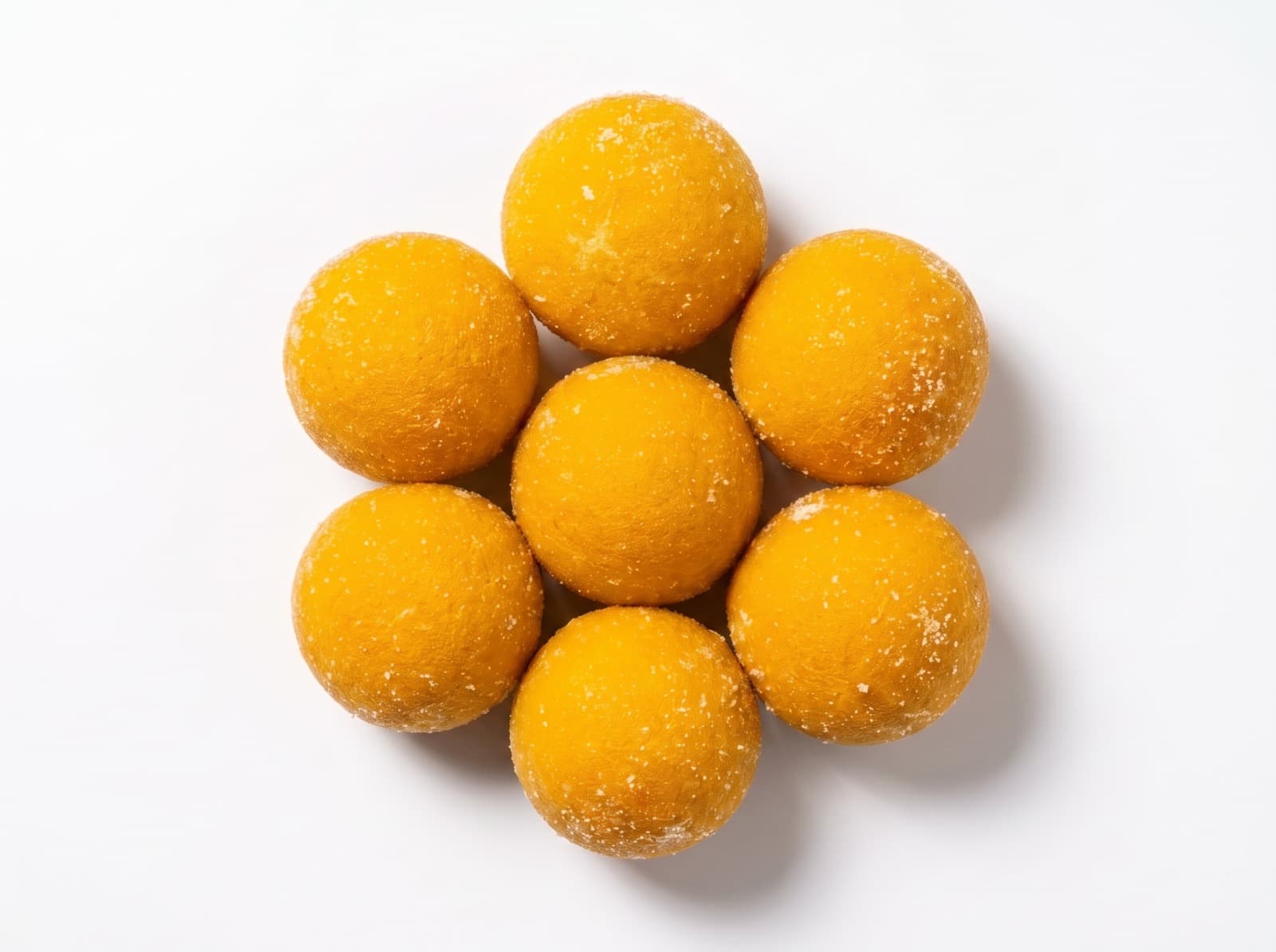
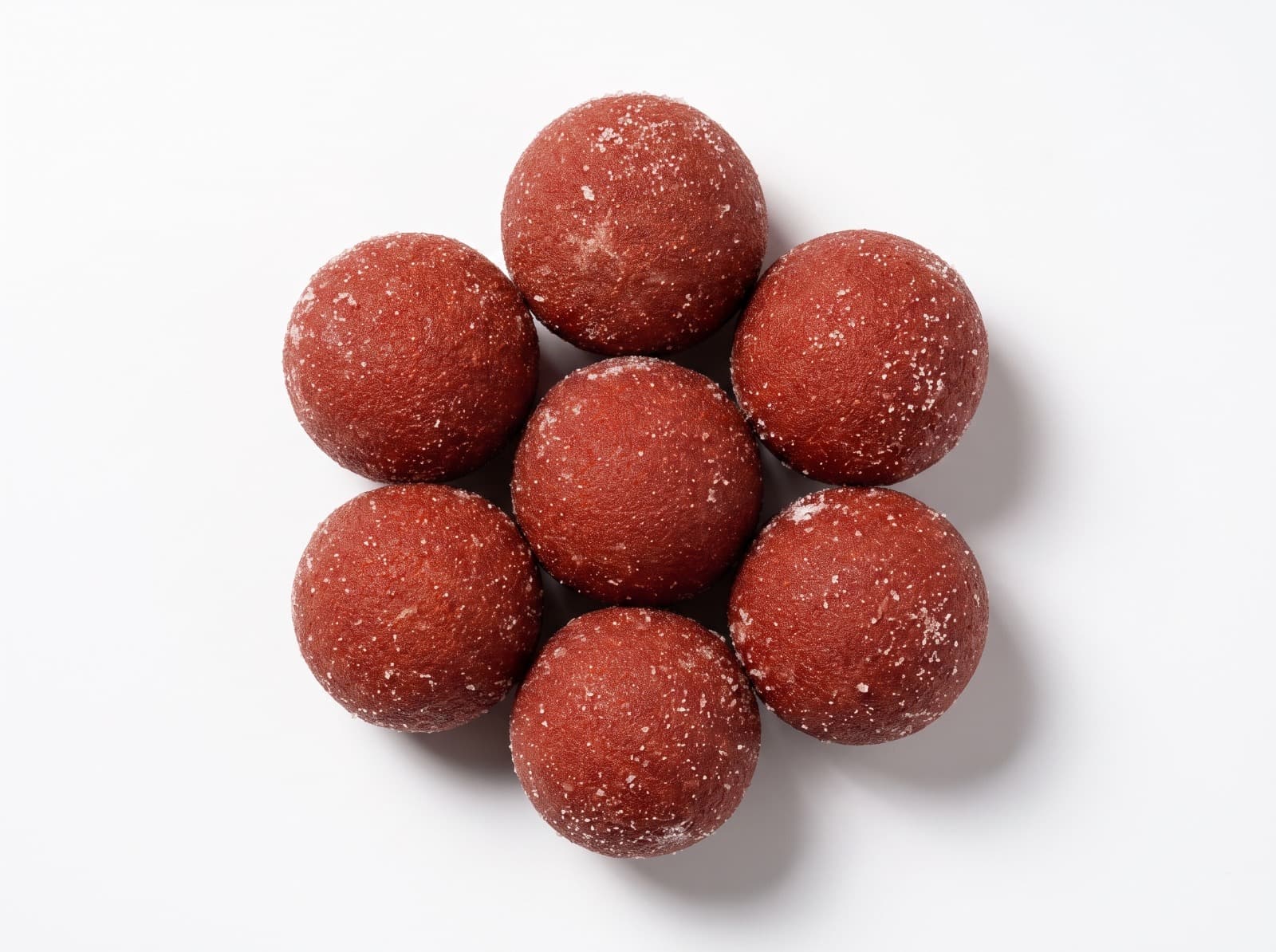
A sweet shop in Lyon tips two bags of pink guava balls into a bulk bin in July. Two weeks later the balls at the bottom have fused into one lump and the sugar coat looks wet. The lot was fine on arrival, but the bin stood by the door in humid air, and a sugar-coated sweet left open in damp air pulls water onto its surface. Fruit balls are bite-size sweets made from fruit (cooked pulp, paste, dried fruit or powder) worked with sugar, rolled into balls and usually coated with sugar. To buy them well you pick flavours for your market, test a sample, get the label right for the destination and keep the coating dry in storage.
Our catalog lists fruit balls in seven flavours: mango, guava, papaya, coconut, banana, pineapple and muskmelon, packed in 2 kg bags and quoted FOB Ho Chi Minh City (Cat Lai).
What goes into a fruit ball
The name covers a family of recipes. A guide to Vietnamese sweets describes little round balls flavoured with fruit and dusted with powdered sugar or shredded coconut. Packs on the market run from fruit cooked down with plenty of sugar to pressed dried fruit with none added, so the ingredient list tells you more than the name.
Before you sign, ask about the recipe:
| Recipe point | Why it matters |
|---|---|
| Fruit share | Taste, and in the EU the percentage printed next to the fruit's name |
| Sugar and sweeteners | Nutrition panel, texture, keeping quality |
| Coating (sugar, coconut, none) | Look in the bin, reaction to humid air |
| Colours | Fruit colour or added colour changes the label |
| Sulphites, preservatives | Declared above set thresholds |
On our catalog the standard for fruit balls reads "as per contract": the sample you approve and the lines you write into the contract are the specification, and every lot is checked against the contract before loading. Ask for the ingredient list of each flavour in your quote request and we confirm it in writing for your lot.
Who buys fruit balls
The 2 kg bag is a trade pack, big enough to refill a bin or feed a packing line and small enough to finish before the coating suffers.
| Buyer | How the balls are sold | What to watch |
|---|---|---|
| Snack and confectionery importers | Repacked under their own brand | Full recipe, shelf life in the retail pack |
| Asian grocery stores | From the bag or in small own-label packs | Familiar flavours, ingredient list in the local language |
| Bulk-bin and pick-and-mix retail | Loose, by weight | Coating that stays dry, allergen information at the bin |
| Gift and seasonal retail | Mixed flavours in boxes or jars | Colour contrast, a best-before that covers the season |
| Bakeries and dessert makers | Whole or halved as a topping | How the coating behaves on a moist cake or cream |
Choosing flavours for your market
Prices differ by flavour, so check the price board before you settle the mix.
| Flavour | What the fruit brings | Where it fits |
|---|---|---|
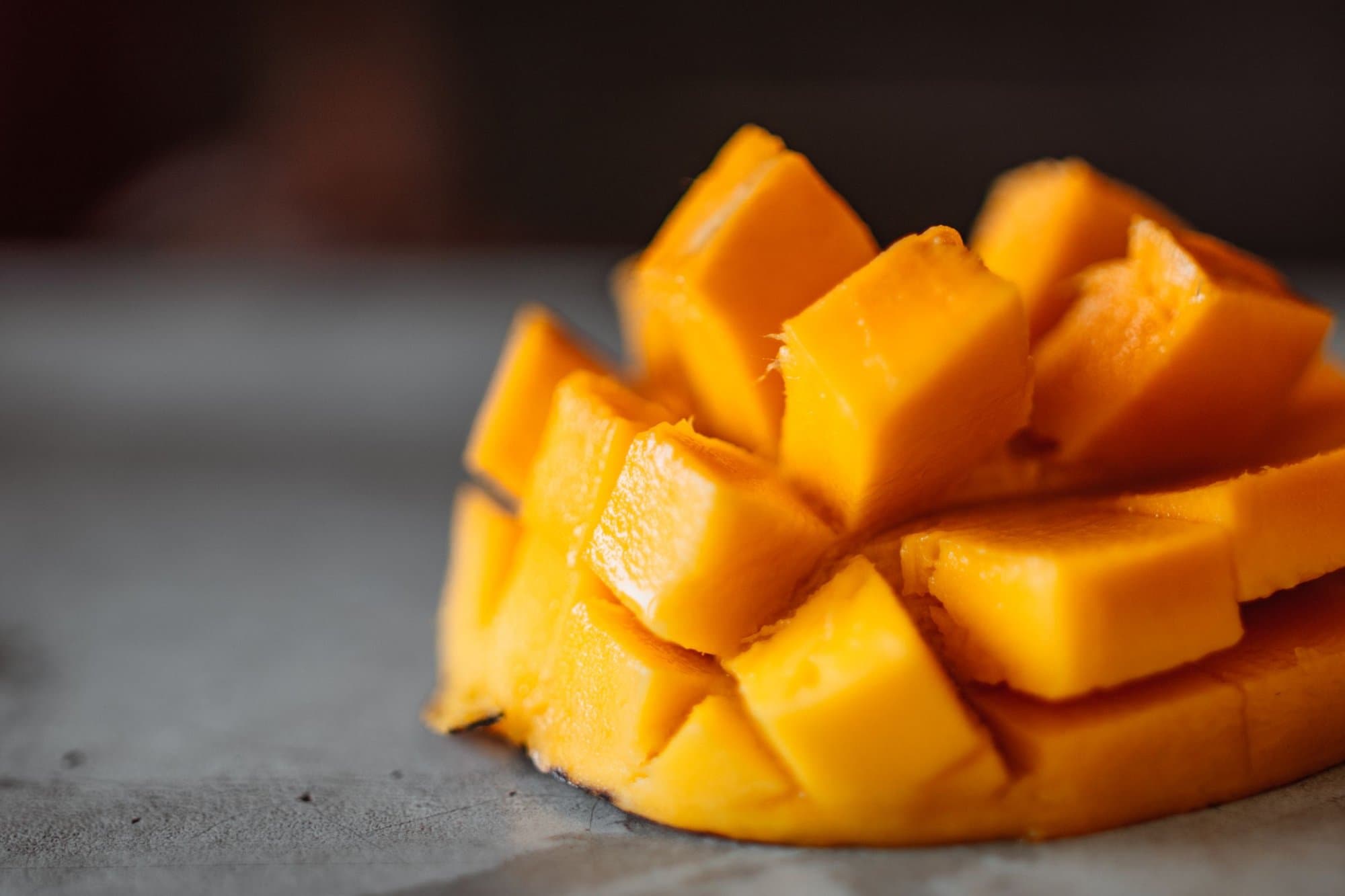
| Mango | Ripe, sweet, tropical | The safe opener in any assortment |
| Guava | Floral, slightly tart | Shoppers who know guava sweets |
| Papaya | Mellow, sweet | Deep colour in a mixed jar |
| Coconut | Milky, nutty | A pale ball beside the coloured ones |
| Banana | Soft, familiar | A mild flavour for a wide public |
| Pineapple | Sweet and sour | A sharper note in a mix |
| Muskmelon | Light, perfumed | Something less common for gift boxes |
Three flavours are enough to start: one familiar (mango or banana), one for colour (guava or papaya), and one that matches what your customers already buy. For loose sale, pick by eye, because shoppers choose from a bin before they taste. On our product photos the mango balls are yellow-orange, the guava pink, the papaya dark red and the banana beige. A deep pink or red ball also raises the question of where the colour comes from, which matters on EU and US labels.
What to check on a sample
Ask for a sample of your two or three likeliest flavours and check it on arrival and again a week later.
| Check | How | Good sign | Warning sign |
|---|---|---|---|
| Coating | Pour onto white paper | Even, dry dusting | Bare patches, wet or glassy sugar, loose sugar in the bag |
| Stickiness | Shake the bag, tip it out | Balls roll apart | Balls cling together or to the bag |
| Texture | Squeeze, then bite | Evenly chewy to the centre | Hard skin round a soft middle, or tacky |
| Colour | Compare balls and photos | Even within a flavour | Faded, patchy or browned |
| Flavour | Taste blind, name the fruit | Fruit before sugar | Only sweet, or sour, fermented, burnt |
Then copy your own conditions. Leave five balls on an open plate where they will be stored or sold, keep five sealed, and compare after a few days. Sticky balls mean the coating takes water from your air, and hard balls mean your air is drier than the balls. Either way you learn whether you need lidded bins, smaller refills or a drier store.
For the contract and label, have a lab measure moisture, water activity and total sugars, plus sulphur dioxide if the recipe uses sulphited dried fruit. Keep a sealed, dated part of the approved sample as the reference for the shipment.
Labelling for the EU and the US
Four things on a fruit ball pack need care: a fruit in the product name, coconut, sulphites and added colours. The rules below are stated generally, and your label adviser has the final word.
| Point | European Union | United States |
|---|---|---|
| Allergens | 14 groups in Annex II of Regulation (EU) 1169/2011, emphasised in the ingredient list | Nine major allergens, sesame included, in the ingredient list or a "Contains" statement |
| Coconut | Not an Annex II allergen | Not a major allergen under FDA guidance of 6 January 2025, still named in the ingredient list |
| Sulphites | Allergen above 10 mg/kg as SO₂ | Declared at 10 ppm or more |
| Colours | E 102, E 104, E 110, E 122, E 124 and E 129 carry "may have an adverse effect on activity and attention in children" | Certified colours named one by one, such as "Red 40". Red No. 3 must leave foods by 15 January 2027 |
In the EU, a fruit in the name ("mango balls") means the label gives that fruit's percentage (Article 22 of 1169/2011). Titanium dioxide (E 171), once used to whiten coatings, has not been authorised since 7 February 2022. Balls sold loose still need their allergen information at the bin (Article 44). In the US, HHS announced in April 2025 a phase-out of petroleum-based synthetic dyes, so ask whether a flavour takes its colour from the fruit.
Tell us the destination country in your quote request and we confirm the ingredients and colours of each flavour for your lot.
Storage, shelf life and the container
A review of moisture in sugar confections from the University of Wisconsin describes two ways storage goes wrong. In damp air the surface takes up water, and the sweets turn sticky, cling to the pack and lose flavour. In air drier than the sweet, it loses water and hardens. To keep the air around the balls steady:
- Keep bags sealed in their cartons, off the floor, cool, dry and out of the sun.
- Keep them away from loading doors, and do not carry cold stock into a warm, damp room, where condensation forms on the coating.
- Reseal opened bags, refill bins little and often, and sell first what arrived first.
Producers set shelf life from storage tests, often sped up at raised temperature and humidity, and it depends on recipe, water activity and pack. EU labels must carry the date of minimum durability and any special storage conditions. The shelf life for your flavours and packing is confirmed on the quote.
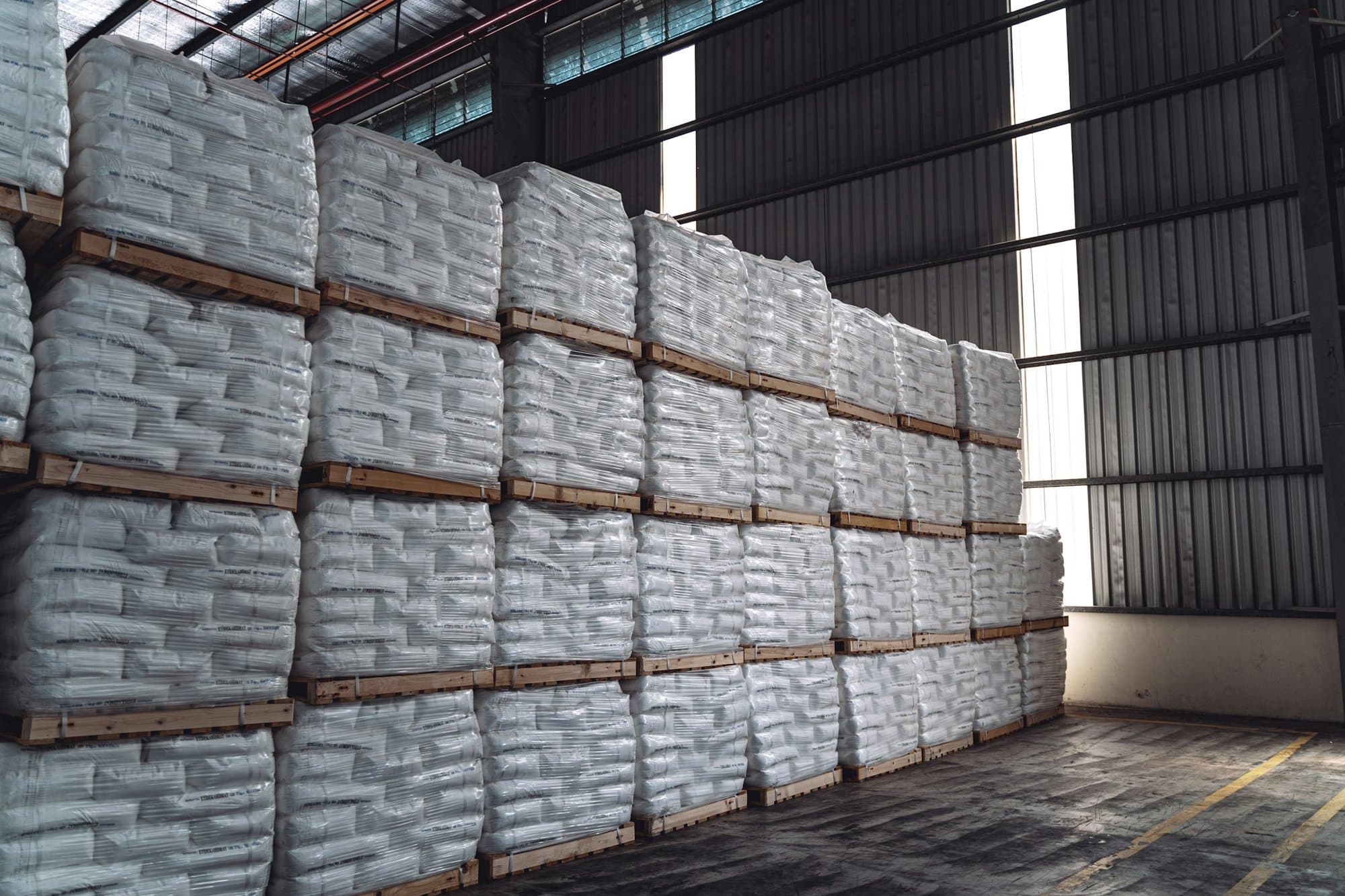
Our catalog plans 8 tonnes in a 20ft container and 16 tonnes in a 40ft, which is 4,000 or 8,000 bags of 2 kg. Bags per carton are agreed per order, so say what your warehouse needs in the quote request.
The catalog gives no HS code, because the heading depends on the recipe. Heading 17.04 covers sugar confectionery not containing cocoa, and Note 2 to Chapter 20 sends fruit pastes in the form of sugar confectionery there rather than to 20.07 (fruit pastes obtained by cooking) or 20.08 (fruit otherwise prepared). A recipe closer to a fruit preparation can still fall under Chapter 20. Customs in your country decides, so check with your broker or ask for binding tariff information. Our guide to export documents from Vietnam covers the papers each lot travels with.
How to order a sample and a quote
- Check the current price of each flavour on the fruit balls page.
- Ask for a sample and run the checks above.
- Send a quote request: one line per flavour, the 2 kg bag, the tonnes, and FOB, CFR or CIF. Once you confirm your email address, the FOB quotation arrives as a PDF for every flavour with a published price. CFR or CIF follows when our sales team has the freight to your port. The FOB, CFR and CIF guide explains who pays for what.
- The quotation holds its price for 7 days. Reply to it with recipe, colour or shelf-life questions and we confirm the answers in writing before the contract.
- The contract and invoice carry the price and terms we agreed with you.
Frequently asked questions
What are fruit balls made of?
Fruit (cooked pulp, paste, dried fruit or powder) worked with sugar, rolled into small balls and usually dusted with sugar or coconut. Recipes differ by flavour, so ask for each ingredient list with your quote.
Which fruit ball flavours does Luason offer?
Mango, guava, papaya, coconut, banana, pineapple and muskmelon, in 2 kg bags, quoted FOB Ho Chi Minh City (Cat Lai).
Do coconut fruit balls need an allergen warning?
Not for the coconut itself. Coconut is not among the 14 EU allergen groups, and FDA stopped treating it as a major allergen in January 2025. It still goes in the ingredient list, and milk, or sulphites above the threshold, need their own declaration.
Why do fruit balls turn sticky?
The sugar coating takes up water from humid air. Keep bags sealed, cool and dry, and refill bins in small amounts.
Which HS code applies to fruit balls?
Heading 17.04 when the product is a sugar confection, or a Chapter 20 heading when it is closer to a fruit preparation. Customs in the importing country decides.
Sources
- Vietnam Is Awesome, "10 Delicious Vietnamese Desserts and Candy" (fruit sweets as small round balls dusted with powdered sugar or shredded coconut)
- Regulation (EU) No 1169/2011 on food information to consumers, Articles 9, 21, 22 and 44 and Annex II (allergens, sulphites above 10 mg/kg, percentage of a named ingredient, non-prepacked food, durability date and storage conditions)
- Regulation (EC) No 1333/2008 on food additives, Article 24 and Annex V (warning for six colours)
- Commission Regulation (EU) 2022/63, titanium dioxide (E 171) no longer authorised from 7 February 2022
- US FDA, Frequently Asked Questions: Food Allergen Labeling Guidance for Industry (nine major allergens, coconut removed on 6 January 2025)
- US 21 CFR 101.22(k), declaration of color additives
- US 21 CFR 101.100(a)(4), sulfiting agents at 10 ppm or more
- US FDA, phasing out FD&C Red No. 3 by 15 January 2027, and the April 2025 plan on petroleum-based dyes
- R. Ergun, R. Lietha and R. W. Hartel, "Moisture and Shelf Life in Sugar Confections", Critical Reviews in Food Science and Nutrition 50:2 (2010) (stickiness from moisture uptake, hardening from moisture loss, accelerated shelf life tests)
- World Customs Organization, HS Nomenclature 2022, Chapter 20 (Note 2, headings 20.07 and 20.08)
- World Customs Organization, HS Nomenclature 2022, Chapter 17 (heading 17.04)