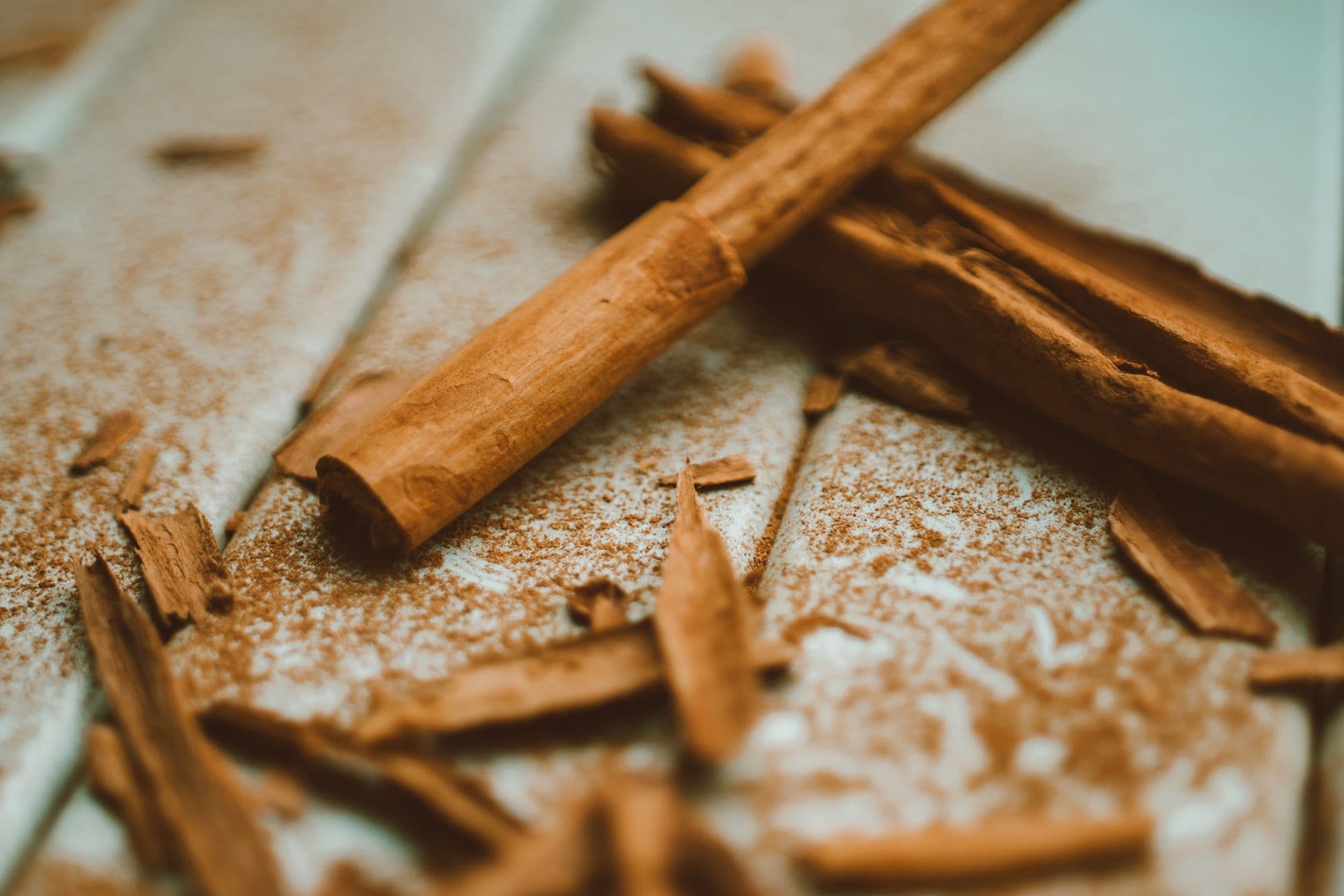
Vietnamese cassia: split, 8 cm stick and broken
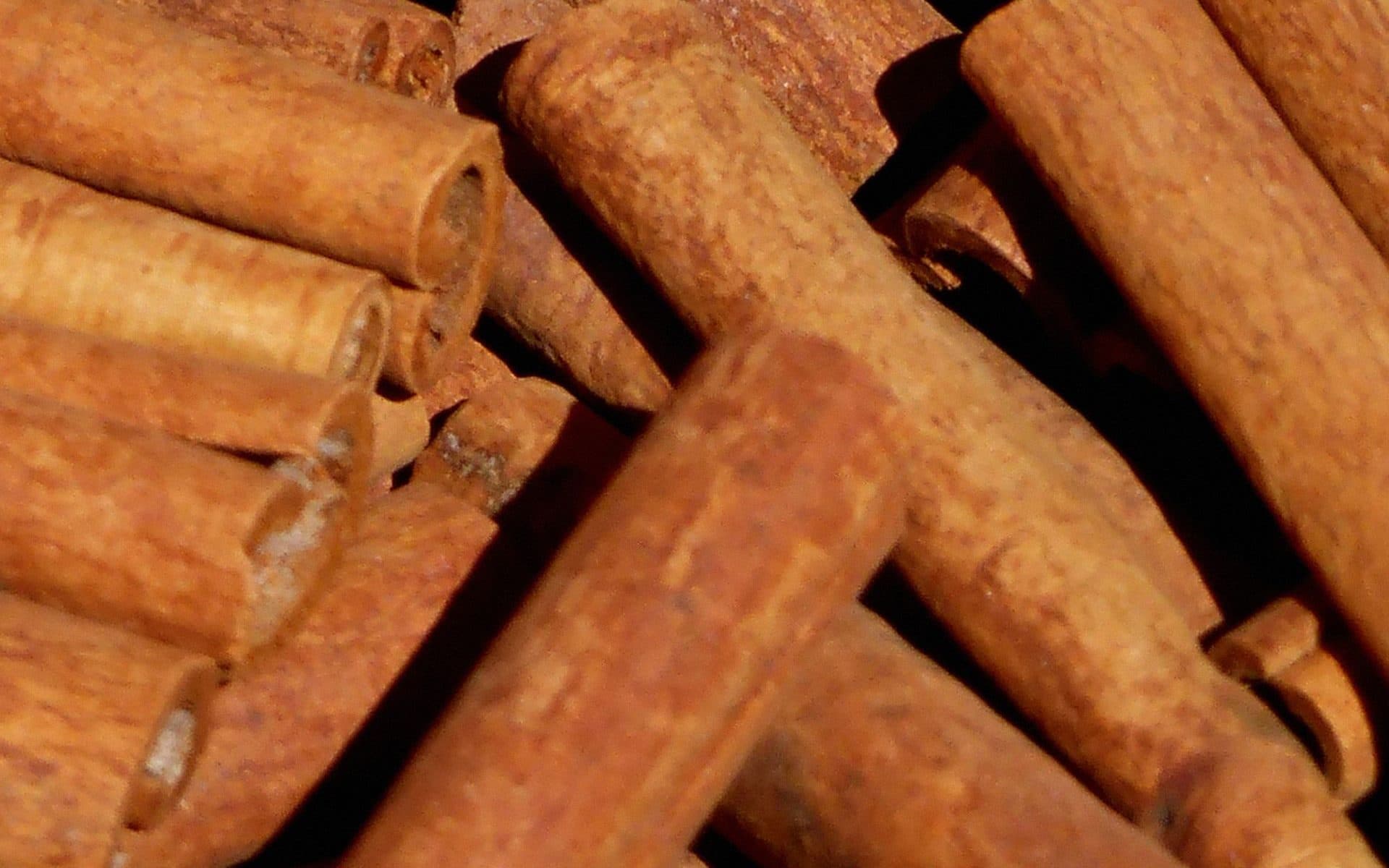
A spice mill in Poland asks three Vietnamese suppliers for "cassia, Yen Bai origin" and gets three offers that seem impossible to compare. One quotes split bark 30 to 50 cm long. One quotes rolled sticks of 8 cm. The third quotes broken bark at a much lower price. All three offers are honest. The buyer never said which product he wanted, and "cassia" on its own only names the tree.
Vietnamese cassia is traded in three main forms. Split cassia is long bark split lengthwise, mostly ground into powder. The 8 cm stick, often called the cigarette stick, is thin bark rolled into a tight quill and cut to a short length for jars and drinks. Broken cassia is the short pieces, from 1 to 5 cm, used for grinding, tea cuts and oil distillation. The three differ in length, in the minimum volatile oil they carry and in what they cost to make. This guide sets them side by side and lists the lines worth writing into a contract.
Three forms side by side
The figures in the table are the specifications on our catalog for Vietnamese cassia from Yen Bai.
| Form | Shape | Length | Volatile oil, min | Moisture, max | Usual use |
|---|---|---|---|---|---|
| Split cassia | bark split lengthwise, open or half-curled | 30-50 cm | 3% | 13.5% | grinding into powder, industrial blends, extraction |
| Cassia stick 8 cm | thin bark rolled into a tight cigarette quill | 7-9 cm | 3.5% | 13.5% | retail jars, mulled drinks, food service, gift packs |
| Broken cassia | short irregular pieces | 1-5 cm | 2% | 14% | grinding, tea-bag cut, seasoning blends, oil distillation |
All three come under HS code 0906.19, the subheading for whole cassia and other cinnamon that is neither crushed nor ground. Ground cassia moves to 0906.20, and true cinnamon (Cinnamomum zeylanicum) sits under 0906.11. Your customs broker has the last word on the code in your country.
Our catalog lists one standard grade for each form. If your mill or packing line needs a tighter length, a higher oil figure or a drier lot, put the number in your quote request and we will confirm what the factory can do for that lot. Specifications can be agreed per order.
Split cassia: the grinder's bark
Split cassia is bark peeled from the trunk and larger branches, dried, then split along its length. The pieces are long, 30 to 50 cm on our catalog, and they do not roll into a neat tube. They are thicker than stick bark and carry a good share of oil, which is why grinders like them: a mill pays for flavour per kilo, and split bark delivers it without paying for the labour of rolling and cutting.
Our split cassia carries volatile oil of at least 3% and moisture of at most 13.5%. Those two figures decide most of what happens after delivery. The oil sets the strength of the powder, and moisture above the agreed ceiling invites mould in a container that spends weeks crossing warm water.
Split bark is bulky. Long, curved pieces leave air between them, so a container holds less weight than it would of a dense product like cashew kernels. Our quotes work with about 8 tonnes in a 20ft container and about 18 tonnes in a 40ft, packed in 10 kg cartons. Packing in bales or other weights can be discussed for a custom order.
The 8 cm stick: the retail form
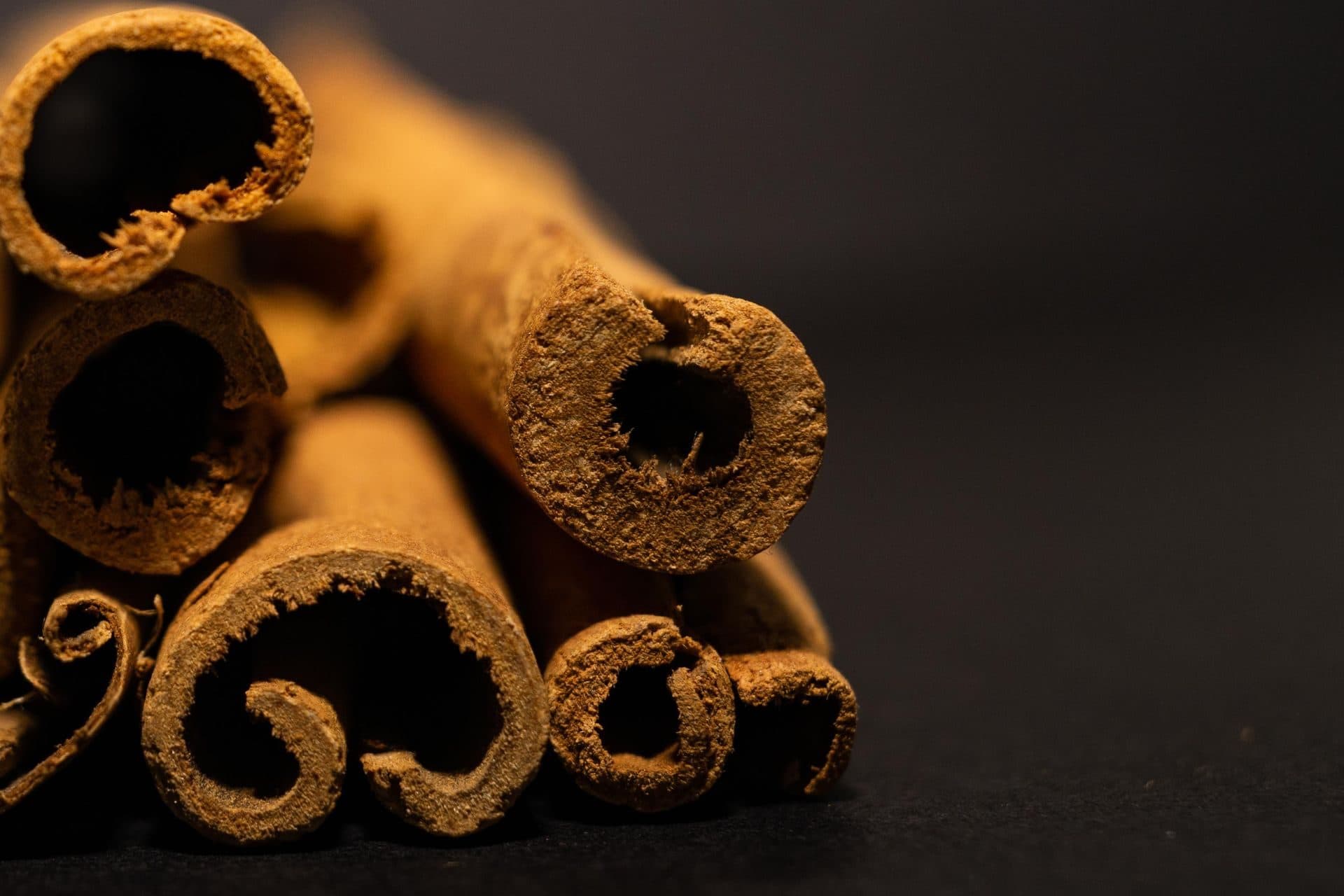
The cigarette stick starts as thinner bark from younger branches. The bark is scraped and dried until it curls into a tight quill, and the quills are cut to length. Our catalog lists the 8 cm stick with a length window of 7 to 9 cm, volatile oil of at least 3.5% and moisture of at most 13.5%.
This is the form a shopper sees in a glass jar, and the one a café drops into a hot drink. Buyers in India even use cassia sticks as coffee stirrers, a use Vietnam's Ministry of Industry and Trade mentions in a report on Yen Bai cassia. For a retail packer the length and the look matter as much as the oil. A jar of 8 cm sticks with a few 4 cm stubs and some split tubes looks like a second-rate product, even when the oil is fine.
Illustration
Rolling and cutting take hand labour, and the cut leaves short ends behind, so sticks cost more per kilo than split bark. If you only need the flavour and will grind it anyway, sticks are the wrong purchase.
Broken cassia: the industrial form
Broken cassia gathers the short pieces, 1 to 5 cm on our catalog, that come from splitting, scraping, rolling and cutting. The pieces mix bark of different ages and thicknesses. On our catalog the oil minimum is 2% and the moisture ceiling 14%.
For a buyer who grinds, blends or distils, broken cassia can be the sensible choice. Shape does not matter once the bark goes through a mill, and a tea-cut or seasoning line wants small pieces anyway. Check the oil figure against what your recipe needs. A blend that was built on split bark at 3% will taste weaker on broken bark at 2%, unless you add more of it.
Volatile oil and moisture: say how they are measured
Volatile oil is the part of the bark that carries the smell and the bite, mostly cinnamaldehyde. Labs measure it by hydrodistillation, the method in ISO 6571, and report it in millilitres per 100 g of spice, often written as a percentage. Moisture for spices is measured by entrainment distillation under ISO 939. Name both methods in the contract. Two labs that use different methods on the same lot can report different figures, and against a 13.5% ceiling a few tenths decide whether the lot passes.
The European Spice Association publishes quality minima that most European importers use as a floor. CBI, the Dutch government's import promotion centre, quotes them for cinnamon and cassia:
| Parameter | ESA quality minima (unprocessed cinnamon and cassia) | Our catalog |
|---|---|---|
| Moisture, max | 14% | 13.5% split and stick, 14% broken |
| Volatile oil, min | 0.7 to 1.0 ml/100 g, depending on species | 3% split, 3.5% stick, 2% broken |
| Total ash, max | 7% | agreed per order against ESA |
| Acid insoluble ash, max | 2% | agreed per order against ESA |
The ISO specification for cassia from China, Indonesia and Vietnam is ISO 6538. True cinnamon from Sri Lanka, the Seychelles and Madagascar has its own standard, ISO 6539. For ash, extraneous matter, microbiology, pesticide residues and heavy metals, the law of your market applies. EU law, for example, sets a lead limit for cinnamon. Name the destination when you ask for a quote and we will check those limits for your lot.
Cassia also contains far more coumarin than Ceylon cinnamon. That matters for some food uses in Europe and for labelling, and it is the subject of a separate guide on cassia vs Ceylon cinnamon.
Yen Bai and Quang Nam: two origins
Vietnam's best-known cassia is Cinnamomum loureiroi, sold abroad as Saigon or Vietnamese cinnamon. CBI notes that it carries the highest concentration of essential oil among the cassia types and a stronger flavour.
Yen Bai, in the northern mountains, is the largest growing area. Vietnam's Ministry of Industry and Trade puts it at about 81,000 ha, with Van Yen district holding about 45,200 ha of that and Tran Yen about 19,000 ha. "Van Yen cassia" is a registered geographical indication in Vietnam, and since 1 August 2020 the EU protects it under the EU-Vietnam Free Trade Agreement (EVFTA).
Quang Nam, in central Vietnam, is home to Tra My cassia, which received its geographical indication in October 2011. The ministry describes Tra My bark as having the highest oil content, sometimes 6 to 8%.
Vietnam merged several provinces on 1 July 2025: Yen Bai is now part of Lao Cai province, and Quang Nam is part of Da Nang city. The spice trade still uses the old names, and so do we. Our catalog cassia comes from Yen Bai. If you need a Tra My lot, send us a note and we will confirm what can be offered.
Check a sample yourself
A tape measure, a kitchen scale and your own nose will tell you a lot before a lab report arrives. To get bark in your hands first, request a sample.
- Sort by length. Weigh 1 kg, measure every piece and weigh the ones inside the agreed window, for example 7 to 9 cm for sticks. That gives you the share by weight in range. If you need a minimum share, such as 80% in range, agree it in the contract.
- Snap a piece. Dry bark breaks with a clean, sharp crack. Bark that bends before it breaks is holding too much water.
- Open the sticks. Unroll or break a few quills and look at the inner layers. Mould starts where air cannot reach, and a fuzzy white or green patch inside a stick often does not show on the outside.
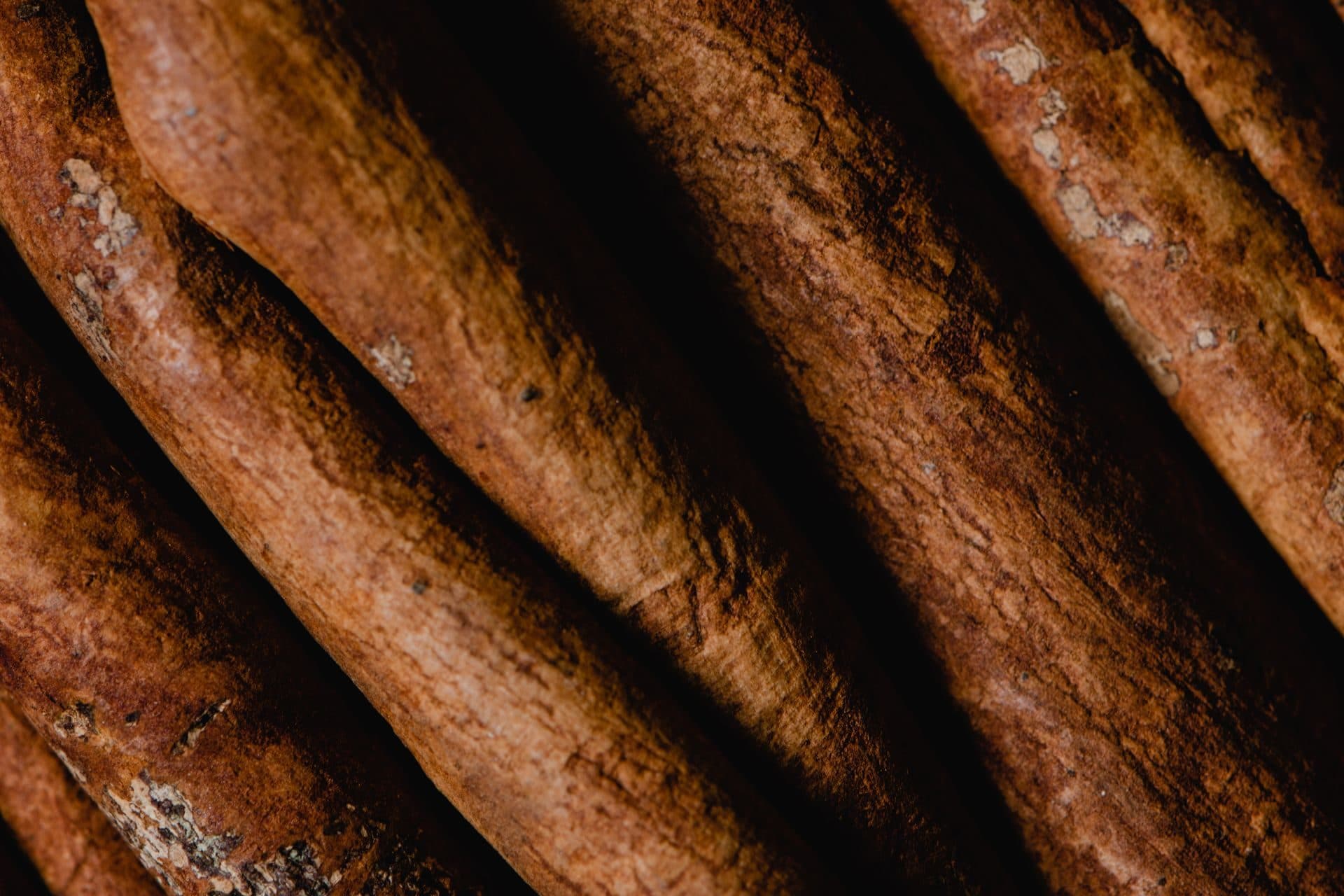
- Look at the outer skin. Grey patches are remains of the outer bark that were not scraped off. They add ash and look poor in a jar.
- Smell and chew. Break a piece and smell the fresh surface, then chew a small bit. Good cassia smells sweet and hot and leaves a slight numbing bite. A flat, woody taste points to low oil or old stock.
- Send the rest to a lab. Volatile oil (ISO 6571) and moisture (ISO 939) need equipment. A lab can also test ash, coumarin and the contaminants your market regulates.
Illustration
What to write into the contract
A short list covers most disputes:
- The form and its length window, for example "cassia stick 8 cm, length 7-9 cm"
- Volatile oil minimum in ml/100 g, with the method (ISO 6571)
- Moisture maximum, with the method (ISO 939)
- Ash, acid insoluble ash and extraneous matter, if your market needs them, with ESA as the reference
- Origin, for example Yen Bai
- Packing, for example 10 kg cartons, and the marks on each carton
- Where the sample for testing is drawn, at loading in Vietnam or on arrival
On our orders the factory is the seller named on the contract and the invoice, and you pay the factory directly. Luason is the factory's authorised sales agent. Goods leave from Ho Chi Minh City (Cat Lai) on FOB terms, and current offers for each form are on the price board. All three forms are on the Vietnamese cassia page.
Frequently asked questions
What is the difference between split cassia and cassia sticks?
Split cassia is long bark, 30 to 50 cm on our catalog, split lengthwise and mostly ground. Cassia sticks are thin bark rolled into tight quills and cut short, 7 to 9 cm for our 8 cm stick, for retail and drinks. Sticks carry a higher oil minimum on our catalog, 3.5% against 3%.
Which cassia form is best for grinding into powder?
Split or broken. Shape is lost in the mill, so most grinders pay for oil rather than looks. Split cassia carries at least 3% volatile oil on our catalog, broken cassia at least 2%.
What moisture should Vietnamese cassia have?
The European Spice Association sets a maximum of 14% for unprocessed cinnamon and cassia. Our catalog sets 13.5% for split and stick and 14% for broken. Name the test method, such as ISO 939, in the contract.
Is Vietnamese cassia the same as Saigon cinnamon?
Yes. Saigon cinnamon is the trade name for Cinnamomum loureiroi, the cassia species Vietnam is best known for. It is a cassia, not true cinnamon, which comes from Cinnamomum zeylanicum.
Where does Vietnamese cassia come from?
Mainly from Yen Bai in the north, where Van Yen and Tran Yen districts grow most of it, and from Tra My in Quang Nam in central Vietnam. Both have geographical indications. Since July 2025 the two provinces belong to Lao Cai and Da Nang, but the trade still uses the old names.
Sources
- CBI (Netherlands Ministry of Foreign Affairs), "Entering the European market for cinnamon", updated 1 May 2023, ESA quality minima, Vietnam's role, Cinnamomum loureiroi, Yen Bai
- Ministry of Industry and Trade of Vietnam, "Ngọt thơm sản phẩm quế Yên Bái", 4 December 2023, Yen Bai area by district, cassia sticks in India, Van Yen geographical indication and EU protection under the EVFTA
- Ministry of Industry and Trade of Vietnam, "Thơm lừng hương quế Trà My", 6 September 2022, Tra My geographical indication and oil content
- ISO 6538:1997, Cassia, Chinese type, Indonesian type and Vietnamese type, specification
- ISO 6539:2014, Cinnamon, Sri Lankan type, Seychelles type and Madagascan type, specification
- ISO 6571:2008, Spices, condiments and herbs, determination of volatile oil content (hydrodistillation method)
- ISO 939:2021, Spices and condiments, determination of moisture content (entrainment method)
- Australian Border Force, Customs Tariff Schedule 3, chapter 9, subheadings 0906.11, 0906.19 and 0906.20
- Thư viện Pháp luật, province mergers effective 1 July 2025 (Yen Bai into Lao Cai, Quang Nam into Da Nang)