Cashew packaging and container loading from Vietnam
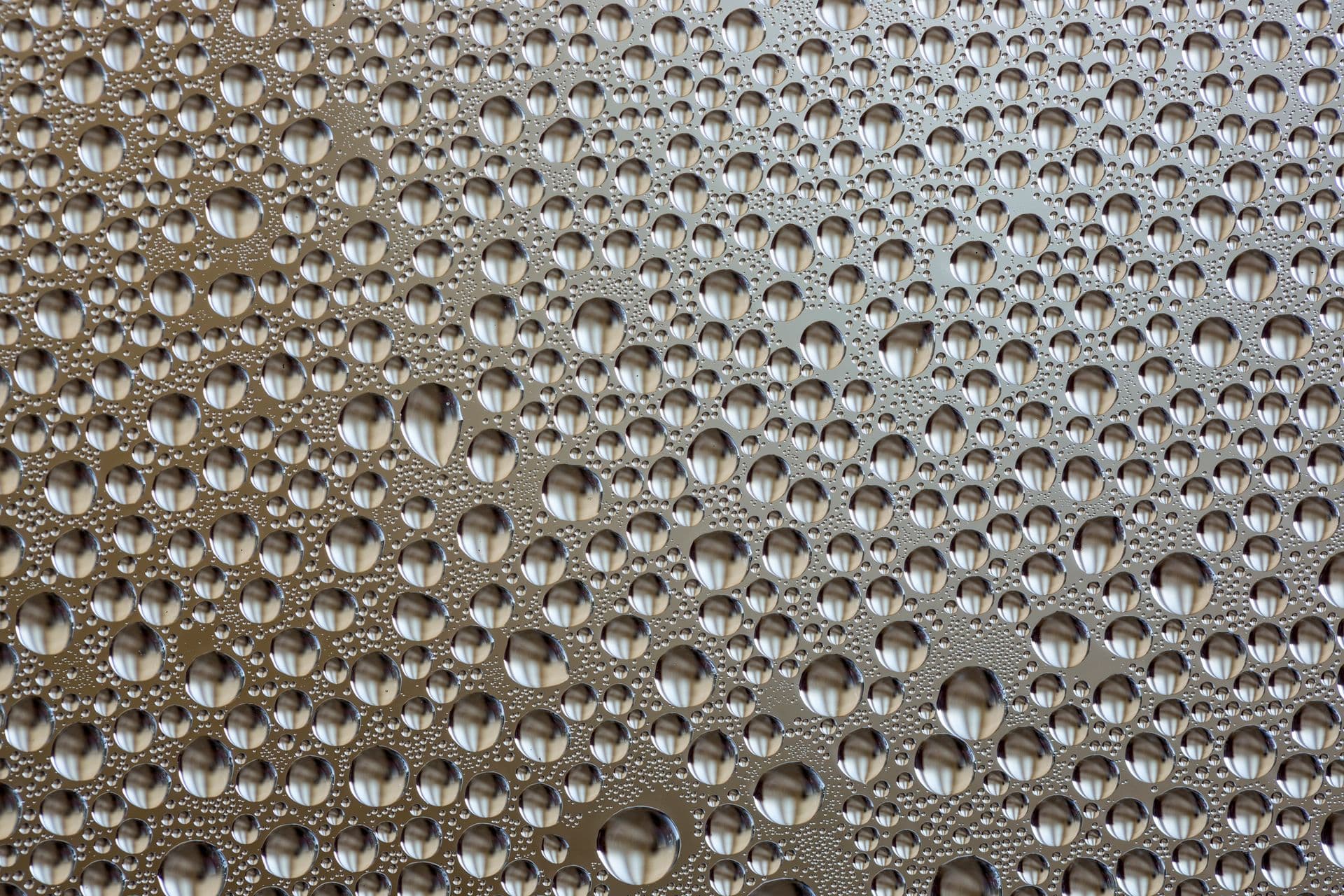
A buyer in Rotterdam breaks the seal on a 20ft container that left Ho Chi Minh City five weeks earlier. The cartons near the doors look fine. The top tier, right under the roof, carries brown water rings, and two of the vacuum bags inside have gone soft. Nobody spilled anything. The water came from inside the box: moisture in the cargo, the cartons and the wooden floor evaporated on hot days, condensed on the steel roof on cold nights and dripped back down.
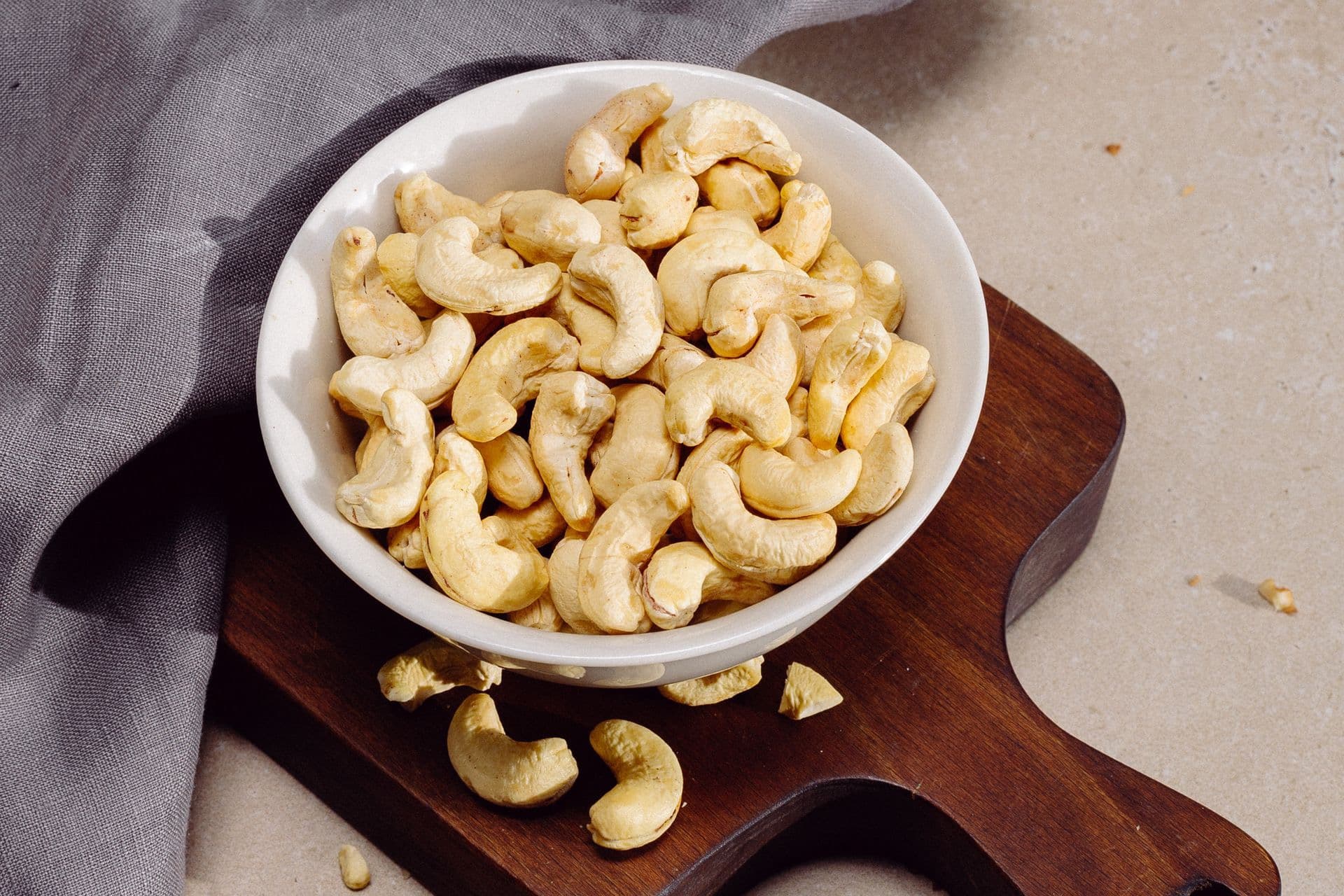
Cashew kernels leave Vietnam in vacuum PE bags of 10, 11.34 or 22.68 kg, in cartons of two 11.34 kg bags, in 10 kg tins, or in retail packs from 100 g to 1 kg. A 20ft container takes about 13 tonnes and a 40ft about 26 to 28 tonnes. The pack you choose decides how well the kernels survive the trip, and the container decides how much water rides along with them.
The packs on our price board
The cashew kernels page lists four export packs. The bag weights come from the US market: 11.34 kg is 25 lb, and a carton of two is 50 lb.
| Pack | Net weight | Units in a 13 t load | Units in a 26 t load |
|---|---|---|---|
| Vacuum PE bag | 10 kg | 1,300 | 2,600 |
| Vacuum PE bag | 11.34 kg (25 lb) | about 1,146 | about 2,293 |
| Carton of 2 vacuum bags | 22.68 kg (50 lb) | about 573 | about 1,146 |
| Tin can | 10 kg | 1,300 | 2,600 |
The unit counts are plain arithmetic on the load figures. The exact load for a pack is confirmed on the quote.
Vacuum bags: the brick
Under vacuum, a bag of kernels turns into a hard brick. Air is drawn out, oxygen goes with it, and the kernels can't rub against each other in transit. A bag that is still a brick when it arrives has held its seal. A bag that feels loose has let air in, and possibly moisture.
Vacuum has a limit, though. The Association of Food Industries (AFI) defines "blocking" as kernels bonding together under high moisture and high vacuum, and its specification does not allow strong blocking, the kind you cannot break apart without a tool. A dry kernel survives a hard vacuum, a damp one fuses into a lump. Drying comes first: at the factory, kernels are dried at 50-60°C for 6 to 8 hours to bring them to about 5% moisture.
Cartons: the unit everyone counts
A carton of two 11.34 kg bags is the 50 lb unit the AFI sampling plan counts in, so inspectors and buyers used to US contracts know it at a glance. AFI asks for cartons of at least 200-pound test (32 ECT), sealed without staples unless the buyer specifies otherwise. A staple can puncture a vacuum bag.
Tins: rigid, and one defect to watch
The 10 kg tin is the traditional cashew pack, sealed and gas flushed. AFI wants food-grade CO2 at 60% minimum with the balance nitrogen for gas-flushed packing. Tins stand up to crushing better than any bag. They also bring one defect of their own: AFI lists "flux marks", black or brown spots on kernels where flux dripped onto them while the tin was sealed. Open a tin from each lot and look at the kernels under the lid seam.
Retail packs under your brand
For a buyer who sells straight to shops, the factory packs OEM retail formats: zipper bags, plastic jars and paper boxes from 100 g to 1 kg. Retail packs bring a label job with them, covered further down.
How much fits in a 20ft or a 40ft container
| Container | Inside volume | Max payload (carrier figure) | Cashew kernels, about |
|---|---|---|---|
| 20ft standard | 33.2 m³ | 28,300 kg | 13 t |
| 40ft standard | 67.7 m³ | 28,870 kg | 26 to 28 t |
Both boxes are rated for well over 28 tonnes, yet a 20ft carries about 13 tonnes of kernels, because the cartons fill the space long before they reach the weight limit. A 40ft has twice the floor and twice the volume of a 20ft, so it carries twice the cargo for about the same weight limit.
The shipping page lists tonnes per container product by product, and the quote form converts your tonnage into containers as you type. A pallet takes space too, so a palletized container holds less than the figures above. If you need pallets, mention it in your quote request and we will confirm the palletized load for your order.
Illustration
Where the water comes from
A container is a steel box with almost no airflow. The German container handbook describes how sweat forms on a sea voyage. Sun heats the roof by day, the air inside warms, and the cargo, packaging and floor give off water vapour. At night the roof cools below the dew point of that air, and water condenses on the ceiling. Wall sweat runs down and dries. Ceiling sweat hangs on, grows night after night, and finally drips onto the top tier.
Cargo sweat is the reverse case. When the ship sails into warmer water, or the doors open into a humid port, warm air meets cold cargo and water condenses on the cartons themselves. The handbook advises against opening a container the moment it lands. Let it sit and adjust to the port's temperature first.
Cashew kernels add two concerns of their own. The German insurers' cargo guide (TIS) lists 5 to 25°C as the favourable travel range for cashew nuts and warns against long periods above 30°C. It also notes that kernels pick up foreign smells easily, so a container that last carried something pungent can taint them.
What helps, in the order it happens:
- Dry kernels. The lower the moisture of the cargo, the less water there is to evaporate and condense. That is the reason for the 5% ceiling on whole grades and 4.7% on splits and pieces. The contract specification guide covers how to write and measure it.
- A dry, clean, odour-free box. The TIS container checklist asks for a container that is watertight (step inside, close the doors and look for light), absolutely dry inside, clean and neutral in odour, with no nails sticking out of the floor.
- Protection on top. The handbook's advice for closed boxes is to keep cargo away from dripping water. A sheet of cardboard or kraft paper over the top tier catches the first drops. If you want desiccant bags or strips hung along the walls, write them into the contract.
- A container stowed out of the sun, below deck where the line can offer it, so the roof heats less.
Under FOB, risk passes to you once the goods are on board at Cat Lai. Your forwarder books the ship, and the carrier supplies the container, so ask your forwarder for a food-grade box and ask for photos of its empty interior before stuffing.
Labels and pallets: agree before the factory prints
What goes on every carton
AFI asks that every carton meet the importing country's labelling rules and carry:
- product name, plus trade or brand name if any
- name and address of the producer or packer
- grade, for example W320 or W240
- gross and net weight
- country of origin
- the product itself, cashews
- allergen marking
- lot, production or date codes
- any other marks agreed between buyer and seller
The packing list must show the same lot codes with their quantities. With matching codes, a bad carton points to its part of the lot instead of putting the whole container in doubt.
On our orders the factory is the seller named on the contract and the invoice, and you pay the factory directly. Luason is the factory's authorised sales agent. So the "producer or packer" on the carton is the factory. If you want other marks on the carton, agree them before the order is confirmed, because cartons are printed ahead of packing.
Retail labels
A retail pack sold in the EU falls under Regulation (EU) No 1169/2011. Cashews are one of the tree nuts in its list of allergens, which must stand out in the ingredients list. The regulation also requires the net quantity, a best-before date, storage conditions and the name and address of the food business operator responsible, often the importer. Send finished artwork in your market's language. The factory prints what you approve and cannot judge your local rules for you.
Pallets
Floor loading fits the most cartons. Pallets make unloading faster and keep cartons off a floor that may be damp, at the cost of space. If you choose pallets, the wood falls under ISPM 15, the international standard for wood packaging. Each pallet needs the ISPM 15 mark showing it was heat treated (HT) or fumigated. AFI's cashew specification bans methyl bromide and naphthalene anywhere that could taint the product, so ask for HT pallets.
A check for the day the doors open
- Before you cut the seal, compare its number with the bill of lading and photograph it.
- Open the doors and smell the air. Kernels should smell of cashew and nothing else. Anything musty, chemical or rancid goes in your notes with a photo.
- Look up. Water droplets on the ceiling, or stains on the top tier, mean the cargo sweated. Photograph them before anyone moves a carton.
- Press a few bags from the top, middle and doors. A bag that has lost its vacuum feels soft and loose. Count them.
- Check tins for dents and rust along the seams.
- Match lot codes on a sample of cartons with the packing list.
- Draw a composite sample and send it for moisture, the method written in your contract.
Your insurer and the seller will ask for photos taken before unloading, so take them before the first carton moves.
To see the packing before a full order, request a sample. Grades, packs and offers are on the cashew kernels page, and the full grade table is in the guide to cashew kernel grades. Splits and pieces ship in the same packs, see broken cashew grades.
Frequently asked questions
How many tonnes of cashew kernels fit in a 20ft container?
About 13 tonnes, and a 40ft takes about 26 to 28 tonnes. The limit is space, since both containers are rated for over 28 tonnes of payload.
Which is better for cashew kernels, vacuum bags or tins?
Both protect kernels when sealed properly. Vacuum bags in cartons are lighter and use container space well, and tins resist crushing. Check tins for flux marks and bags for lost vacuum.
How do I stop condensation in a cashew container?
Ship dry kernels, load into a clean, dry, watertight container, cover the top tier against dripping water, and let the container adjust to the local temperature before you open it at destination.
Do cashew pallets need ISPM 15 treatment?
Yes. Solid wood pallets in international trade must carry the ISPM 15 mark. Ask for heat-treated (HT) pallets, as AFI's cashew specification bans methyl bromide around the product.
Can the factory print my brand on cartons and retail packs?
Yes, OEM packing is available, including retail packs from 100 g to 1 kg. Send approved artwork that meets your market's labelling rules before the order is confirmed.
Sources
- Association of Food Industries (AFI), Specifications for Cashew Kernels, updated September 2023, packing, CO2 flushing, carton strength, carton marking, blocking, flux marks, prohibited chemicals
- Maersk, equipment flyer "Our dry cargo container specifications", volume and maximum payload of 20' and 40' standard containers
- Container Handbook (GDV), 10.3.5.1 Formation of container sweat in radiation weather
- Container Handbook (GDV), 10.3.6.4 Formation of cargo sweat on a voyage into the tropics
- Transport Information Service (TIS, GDV), Cashew nuts, travel temperature and odour sensitivity
- Transport Information Service (TIS, GDV), Container inspection, checks before packing
- Regulation (EU) No 1169/2011 on the provision of food information to consumers, mandatory particulars and allergens
- IPPC, ISPM 15 Regulation of wood packaging material in international trade